The Ledger Never Closes: Four Business Models That Refused to Stay Buried
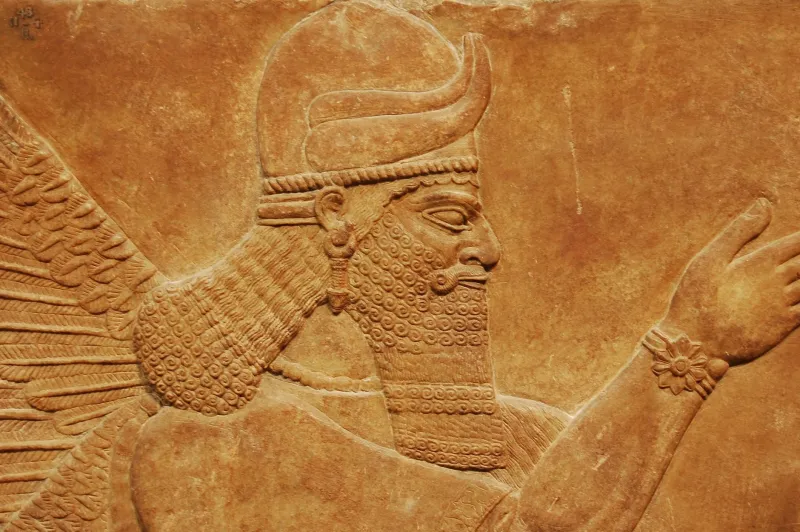
The conceit of the modern economy is novelty. Every pitch deck, every product launch, every disruption narrative assumes that what is being built has never been built before. The historical record is unkind to this conceit. Again and again, the ledger shows business models that flourished, collapsed, vanished for half a millennium, and then returned wearing new clothes — resurrected not because anyone studied the originals, but because the underlying human incentives never went anywhere.
Debt Bondage and the Payday Loan
In the ancient Near East, the debtor who could not pay became collateral. Code of Hammurabi provisions regulating how long a man's family members could be held for his debt imply, correctly, that the practice was common enough to require rules. Classical Athens ran on debt bondage until Solon abolished it in 594 BCE — an act so radical he framed it as canceling obligations wholesale.
The practice then spent two millennia in and out of legality, surfacing in the company towns of the American South, in sharecropping's credit lines, and today in the payday loan, where a borrower's future paycheck is pledged at triple-digit annualized rates. The modern instrument is regulated; the underlying logic — that the surest collateral is a person's future labor — is unchanged. Solon would recognize it instantly, and would not be surprised that it required a reformer.
Cicero's Clientele and the Influencer
Roman patronage was a market pretending not to be one. A patronus dispensed favors, legal help, and dinner invitations to his clientes, who repaid him with attendance, public praise, and political support. Cicero cultivated his network of dependents with the diligence of a man managing an asset. The currency was not money but attention and endorsement — a Roman senator's influence was, quite literally, monetized through his followers.
Now swap the toga for a ring light. The influencer economy is patronage with the pretense removed: a person accumulates followers (clients), dispenses recommendations (favors), and sells endorsements (praise) to sponsors. The Roman arrangement at least maintained the fiction of friendship. The modern version charges by the post.
The Relic Trade and the Scalper's Markup
Medieval Europe ran a thriving market in sacred objects — splinters of the True Cross, finger bones of saints, vials of martyrs' blood — whose value derived entirely from authenticated proximity to something venerated. Abbot Guibert of Nogent, writing in the twelfth century, complained that his monastery's region had enough fragments of the True Cross to build a ship. The authentication problem was eternal; the markup was enormous; the buyer's motive was not rational appraisal but the desire to touch the genuine article.
A game-worn jersey with a certificate of authenticity, a concert ticket resold at four times face value, a trading card graded and slabbed in plastic — the relic trade did not die, it diversified. In both cases, the product is not the object but certified proximity, and the buyer's willingness to pay is a function of belief, not utility.
Why the Models Come Back
The pattern across all three revivals is the same. Each model exploits a fixed feature of human psychology: the desperation of the indebted, the trust of the follower, the longing of the believer. Fix the psychology and you fix the model. Bury it, and some future entrepreneur with no knowledge of the original will rediscover it, because the ground it grew in is still there.
The lesson for the reader is not cynicism but literacy. When a business model seems too novel to evaluate — a new financial product, a new marketing channel, a new collectibles market — the five-thousand-year record offers a service the pitch deck never will: it tells you which model this is, and how the last version ended.