Corporate Warfare by Committee: When Shareholders Learned to Weaponize Their Own Company

The Birth of Financial Civil War
In 1693, while most of London slept through another plague-ridden winter, a group of English merchants gathered in cramped coffeehouses to plot the destruction of the world's most powerful corporation. Their target wasn't a competitor or foreign rival—it was the East India Company itself, and they owned pieces of it.
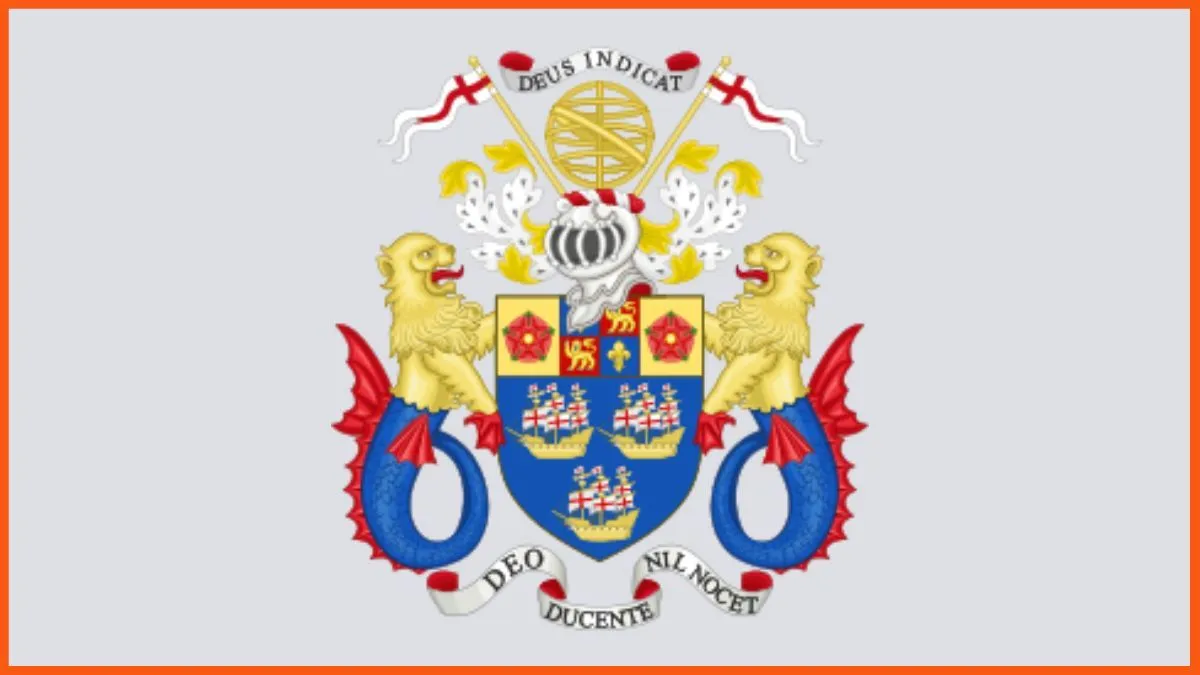 Photo: East India Company, via static.startuptalky.com
The insurgents called themselves the "New Company" and their strategy was breathtakingly simple: use the mechanisms of corporate governance to tear apart the monopoly from within. They would buy shares, pack shareholder meetings, lobby Parliament for competing charters, and systematically undermine management until the entire edifice collapsed. Then they would build something better on the ruins.
Sound familiar? It should. These merchants invented the hostile takeover three centuries before Gordon Gekko made it glamorous.
The Monopoly Problem
The East India Company of the 1690s faced the same challenge that plagues every dominant corporation: success breeds complacency, and complacency breeds vulnerability. The Company held an exclusive charter to trade with Asia, generated enormous profits, and distributed those profits to a closed circle of shareholders who treated their investment like inherited nobility.
But monopolies create their own enemies. Every merchant excluded from the Asian trade saw opportunity in the Company's growing inefficiency. Every ambitious financier noticed that Company stock traded at premiums that bore no relationship to actual performance. Every political operator recognized that Parliamentary support for exclusive charters was becoming expensive to maintain.
The New Company faction understood something that modern activist investors rediscovered in the 1980s: the best way to attack an entrenched monopoly isn't to compete with it directly. It's to become the monopoly, then restructure it according to your own preferences.
Shareholder Democracy as Warfare
The mechanics of the assault were sophisticated for their time and instantly recognizable today. The insurgents began acquiring Company shares through intermediaries, building a position large enough to demand board representation. They commissioned pamphlets attacking management strategy and distributed them to other shareholders before annual meetings. They hired former Company employees to provide inside information about operations and decision-making.
Most importantly, they lobbied Parliament to revoke the Company's exclusive charter and grant a competing one to their own organization. This wasn't just corporate maneuvering—it was regulatory arbitrage, using government power to restructure an industry that couldn't be changed through market forces alone.
The established Company leadership responded exactly as modern executives do when facing activist pressure: they accused the insurgents of financial manipulation, questioned their patriotism, and warned that corporate instability would damage English interests abroad. They also began buying back their own shares to prevent the New Company from accumulating a controlling position.
The Tools of Corporate Destruction
What makes this 17th-century corporate war particularly relevant is how precisely it anticipates modern takeover tactics. The New Company didn't just want to own the East India Company—they wanted to prove that its existing structure was illegitimate and replaceable.
They argued that monopoly charters were economically inefficient, that exclusive trading rights prevented optimal capital allocation, and that competition would benefit both investors and the English economy. These weren't just talking points; they were sophisticated economic arguments that wouldn't sound out of place in a contemporary proxy fight.
The insurgents also understood that corporate governance is ultimately political governance. They spent heavily on Parliamentary lobbying, funded sympathetic journalists, and cultivated relationships with government officials who could influence charter renewals. They recognized that regulatory capture works both ways—if an industry can buy government protection, competitors can buy government disruption.
The Resolution and Its Legacy
The corporate civil war ended in 1702 with a merger that satisfied neither side completely. The Old and New Companies combined into a single entity that preserved the monopoly structure while giving insurgent shareholders significant representation in management. It was a classic compromise that left everyone moderately dissatisfied but prevented total systemic collapse.
What emerged was a more efficient, more profitable, and ultimately more powerful East India Company. The internal conflict had forced organizational improvements that external competition never could have achieved. The merged company went on to conquer much of India and generate unprecedented wealth for its shareholders.
This outcome reveals something important about corporate warfare: destruction and creation are often the same process. The merchants who tried to tear down the East India Company weren't motivated by ideology or public interest—they wanted to build a better wealth extraction machine. Their success created an organization that was simultaneously more responsive to shareholder interests and more effective at exploiting colonial territories.
Modern Echoes
Every major corporate battle since 1693 has followed some version of this template. Activist investors still use the same combination of share accumulation, proxy fights, regulatory pressure, and media campaigns that the New Company perfected. The specific tactics have evolved with communication technology, but the underlying strategy remains unchanged: use the corporation's own governance mechanisms to restructure it according to your preferences.
The East India Company's shareholder rebellion also established a crucial precedent: corporate ownership is a form of political power, and political power inevitably becomes contested. Modern debates about shareholder capitalism, stakeholder governance, and corporate responsibility are really arguments about who gets to control the wealth-generating institutions of society and for what purposes.
The merchants who gathered in London coffeehouses three centuries ago understood this perfectly. They didn't want to reform capitalism—they wanted to own it. Their success proved that every corporation, no matter how powerful or entrenched, is ultimately vulnerable to shareholders who are willing to treat ownership as warfare by other means.
The lesson for modern executives is sobering: the tools of corporate destruction aren't imported from outside the system. They're built into the system itself, waiting for someone ambitious enough to use them.