Snake Oil to Stock Options: How America's Greatest Salesmen Wrote the Playbook for Modern Financial Marketing
The Greatest Show on Earth Was Actually a Sales Presentation
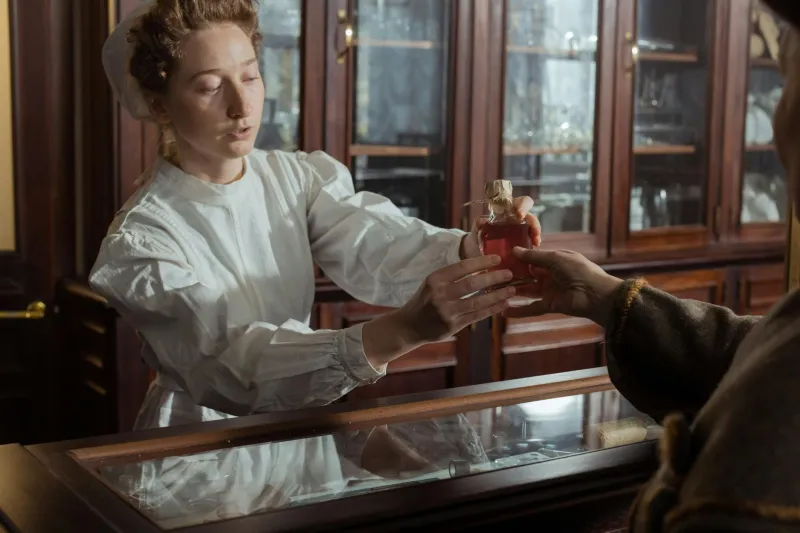
In 1885, a man named Clark Stanley stood before a crowd at the World's Columbian Exposition in Chicago, holding a live rattlesnake. As hundreds watched, he sliced open the snake, boiled its fat, and bottled the resulting oil as "Stanley's Snake Oil Liniment." The crowd bought every bottle.
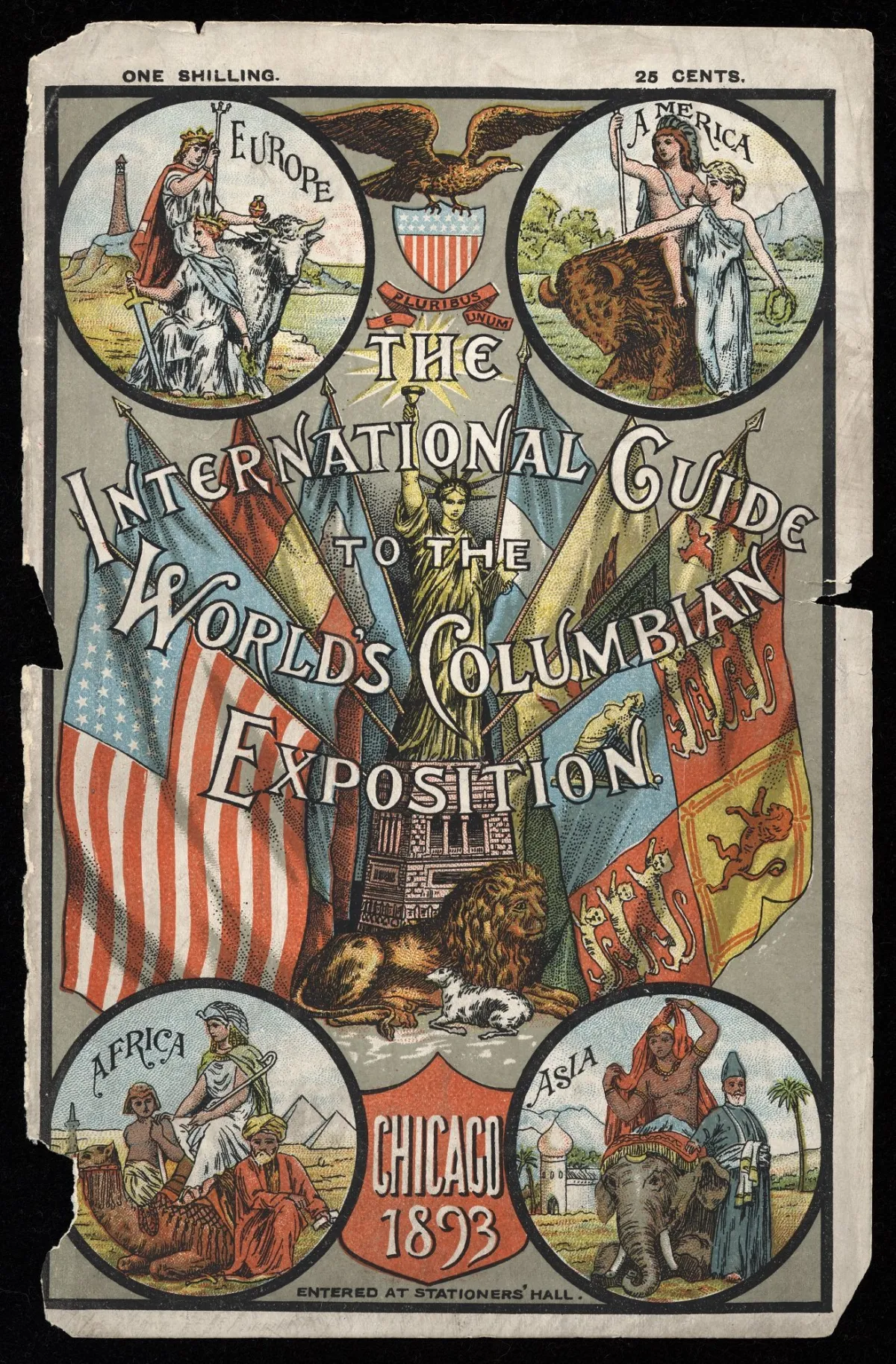 Photo: World's Columbian Exposition, via www.chicagohistory.org
Fifty miles away, railroad promoters were staging their own performances, complete with detailed maps, projected revenue charts, and testimonials from satisfied investors. They were selling shares in railways that existed only on paper, to towns that might never be built, carrying cargo that had never been shipped.
Both groups were running the same con. They just had different props.
The American Advantage: Nobody Checks the References
What made America unique wasn't the presence of fraudsters—every frontier society has those. It was the systematic tolerance for what we might call "aspirational truth." European investors demanded established revenues and proven assets. American investors bought potential.
This wasn't naivety. It was adaptation. In a rapidly expanding economy where today's wilderness could become tomorrow's metropolis, the line between vision and delusion became genuinely blurry. The railroad that seemed impossible in 1850 might be profitable by 1870. The patent medicine that couldn't cure anything might still make the seller rich.
The frontier created a unique economic environment where the ability to sell dreams became more valuable than the ability to deliver products. And the men who mastered this art didn't disappear when the frontier closed—they migrated to Wall Street.
The Pitch Deck: From Wagon to Boardroom
Consider the standard elements of a 19th-century medicine show: a charismatic presenter, dramatic demonstrations, testimonials from satisfied customers, scientific-sounding explanations, and urgent calls to action. Now consider the standard elements of a modern investor presentation.
The similarities aren't coincidental. They're evolutionary.
Dr. John Brinkley, who built a medical empire in the 1920s by transplanting goat glands into impotent men, pioneered techniques that venture capitalists would recognize instantly. He used radio broadcasts to reach wider audiences, published case studies featuring dramatic before-and-after stories, and positioned his treatments as cutting-edge science that traditional medicine couldn't understand.
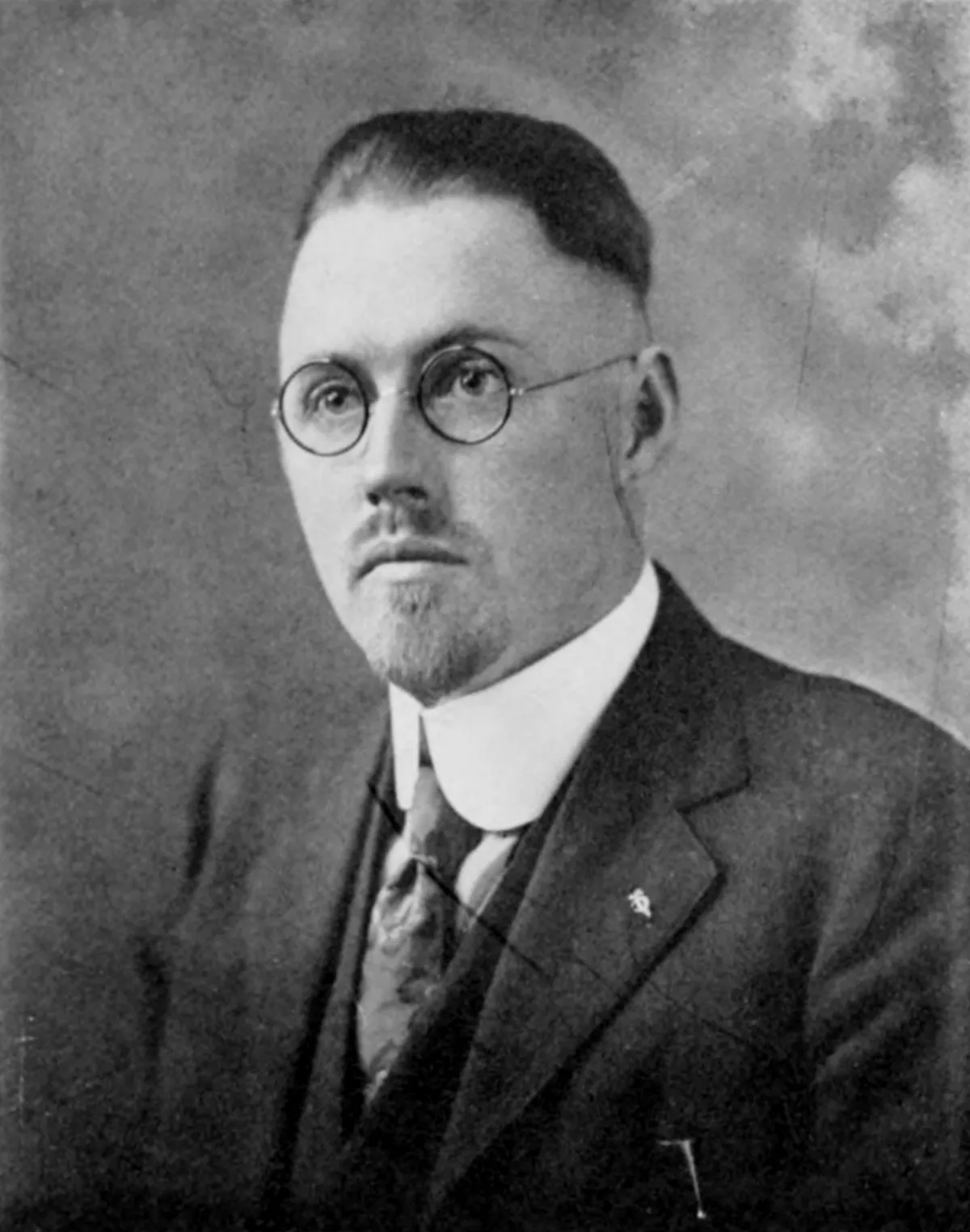 Photo: Dr. John Brinkley, via 1.bp.blogspot.com
Brinkley's presentations followed a formula that modern pitch decks still use: identify a massive problem (male impotence), present a revolutionary solution (goat gland transplants), provide social proof (patient testimonials), establish scientific credibility (medical credentials), create urgency (limited availability), and close with a clear call to action (schedule your procedure today).
The Railroad Bubble: America's First Tech Boom
The railroad boom of the 1850s-1870s provides the clearest template for modern startup culture. Promoters raised capital for lines that existed only in imagination, promising returns based on projected traffic to towns that hadn't been built yet. They used the same psychological techniques as patent medicine salesmen, just scaled up for institutional investors.
The parallels to dot-com and crypto bubbles are precise. Railroad promoters talked about "network effects" decades before the term was coined—how each new line would increase the value of existing routes. They promised to "disrupt" traditional transportation the same way Uber promised to disrupt taxis.
Most importantly, they normalized the idea that investors should pay premium prices for unproven concepts based on exponential growth projections. This was genuinely revolutionary. European markets had never seen anything like it.
The Regulatory Response: Always One Innovation Behind
American regulators have been playing catch-up since the 1800s, and the pattern reveals something fundamental about the relationship between innovation and oversight. The Pure Food and Drug Act of 1906 came decades after patent medicine had established its market position. Railroad regulation followed the same timeline.
The problem isn't regulatory incompetence—it's structural. American culture celebrates the bold claim and the unproven concept in ways that European cultures never did. By the time regulators identify a problem, the techniques have already migrated to new industries.
Consider how modern earnings calls work. CEOs present optimistic projections, cite selective metrics, and use carefully hedged language to avoid legal liability while maximizing psychological impact. The techniques are identical to what medicine show barkers used, just filtered through legal departments and SEC filing requirements.
The Persistence of Optimistic Fraud
What we're seeing isn't the corruption of American business culture—it's the expression of it. The tolerance for exaggeration, the celebration of charismatic leadership, and the willingness to invest in unproven concepts aren't bugs in the system. They're features.
This creates a unique competitive advantage. American entrepreneurs can raise capital for ideas that would never get funded in more conservative markets. Silicon Valley's willingness to fund "moonshot" projects directly descends from the railroad promoter's ability to sell transcontinental visions to local investors.
But it also creates systemic vulnerabilities. The same cultural traits that enable breakthrough innovation also enable sophisticated fraud. The medicine show and the unicorn startup are points on the same spectrum.
The Modern Medicine Show
Walk through any major tech conference today, and you'll see Clark Stanley's descendants. They're selling blockchain solutions to problems that don't exist, AI platforms that barely work, and subscription services for products that could be free. They use the same fundamental techniques: dramatic demonstrations, cherry-picked testimonials, scientific-sounding explanations, and urgent calls to action.
The sophistication has increased, but the psychology hasn't changed. American consumers and investors remain uniquely susceptible to the well-crafted pitch, the charismatic presenter, and the promise of revolutionary change.
The question isn't whether this is good or bad—it's whether we're honest about what it is. American finance was built on a foundation of optimistic fraud, and that foundation hasn't disappeared. It's just wearing better suits.