Managing the Mob: How Roman Emperors Wrote the Modern Playbook for Stakeholder Relations

The Transition Challenge
When Augustus emerged victorious from Rome's civil wars in 31 BCE, he faced a stakeholder relations crisis that would challenge any modern CEO. A population exhausted by decades of conflict, a military that had grown accustomed to looting, and a political class that had just witnessed the violent destruction of the Republic—all needed to be convinced that his new regime served their interests better than any alternative.
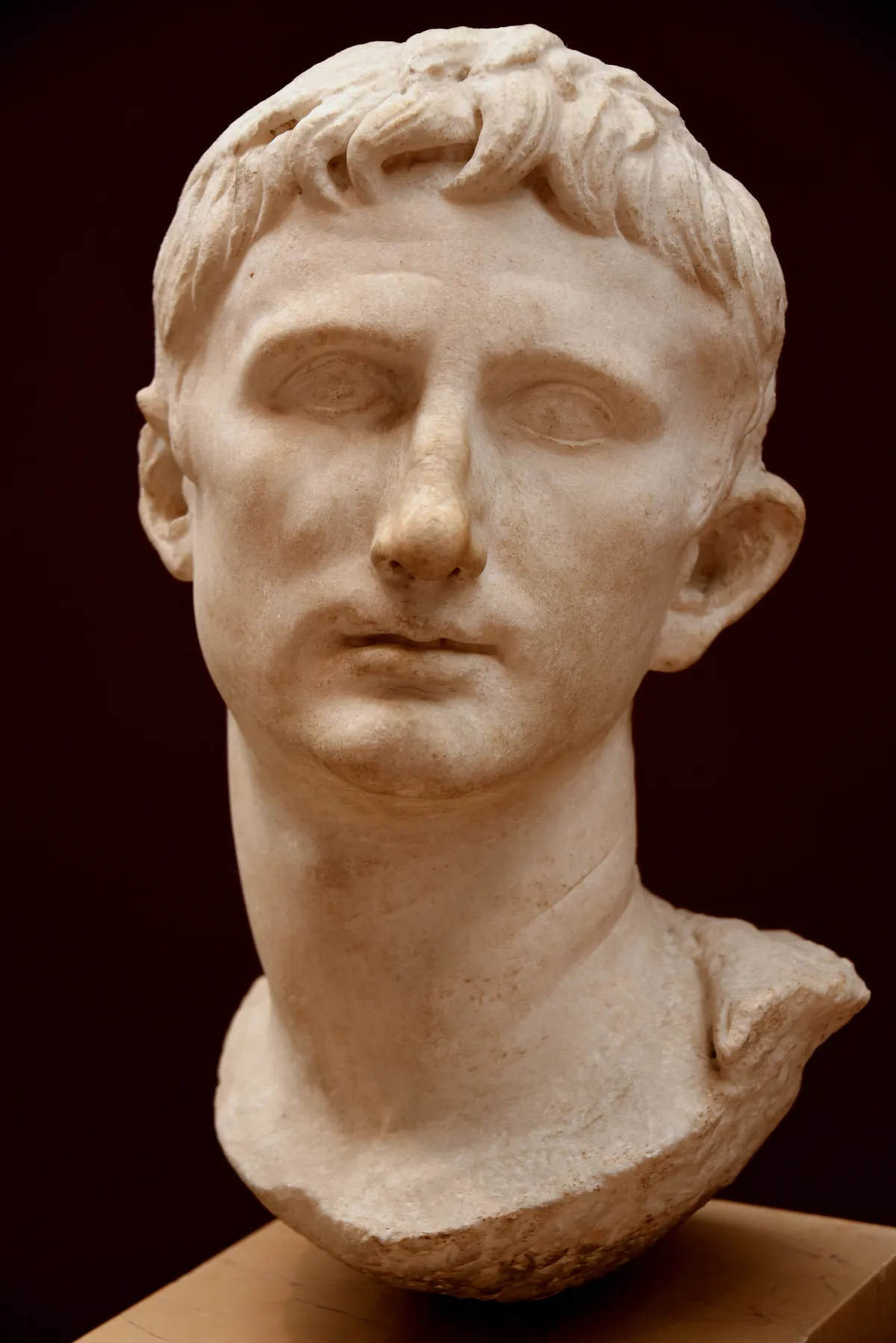 Photo: Augustus, via www.worldhistory.org
Augustus's solution was not to rule through fear or force alone, but to create what we would now recognize as a comprehensive stakeholder engagement strategy. He transformed potential insurgents into invested participants by giving them psychological ownership in the regime's success. The techniques he developed—controlling narrative flow, creating recurring engagement events, and distributing benefits selectively to key constituencies—form the foundation of modern corporate communications.
The Rebranding Campaign
Augustus understood that successful stakeholder management begins with controlling the story. Rather than presenting himself as a revolutionary who had destroyed the Republic, he positioned his regime as its restoration. The Principate was not autocracy—it was the return of traditional Roman values after a period of chaos and corruption.
This reframing required sophisticated message discipline that modern corporations would recognize immediately. Augustus controlled information flow through careful management of official communications, strategic use of architectural symbolism, and coordination of supporting narratives across multiple channels. His Res Gestae—essentially the world's first annual report—presented his achievements in language that emphasized continuity with Roman tradition while obscuring the radical nature of his innovations.
The psychological insight was profound: people will accept dramatic change if it can be presented as restoration rather than revolution. Modern corporate communications employ identical techniques when presenting layoffs as "rightsizing," mergers as "strategic partnerships," and cost-cutting as "operational efficiency improvements." The language obscures the reality while maintaining stakeholder buy-in.
The Spectacle as Earnings Call
Augustus institutionalized public spectacles not merely as entertainment, but as regularly scheduled stakeholder engagement events. Gladiatorial games, theatrical performances, and public festivals served the same function as modern earnings calls—they provided predictable opportunities for management to demonstrate competence while controlling the information environment.
These events were carefully choreographed to reinforce key messages about regime stability, prosperity, and popular support. Just as modern CEOs use quarterly calls to frame financial results within broader strategic narratives, Augustus used public spectacles to contextualize his policy decisions within stories of Roman greatness and imperial destiny.
The format was particularly sophisticated in its use of audience participation. Citizens were not passive recipients of imperial messaging—they were active participants in demonstrations of regime legitimacy. Their applause, their presence, and their enthusiasm became part of the performance itself, creating a feedback loop that reinforced their psychological investment in the system.
Selective Distribution and Constituency Management
Augustus pioneered the corporate technique of managing different stakeholder groups through targeted benefit distribution. The military received land grants and regular bonuses. The urban population got subsidized grain and free entertainment. The aristocracy retained social status and limited political participation. Each group received enough to maintain loyalty without threatening the interests of others.
This approach required sophisticated understanding of stakeholder psychology that modern corporations have institutionalized through investor relations departments, employee engagement programs, and customer loyalty initiatives. The key insight is that absolute satisfaction is unnecessary—stakeholders simply need to believe they are receiving fair value relative to available alternatives.
Augustus also understood the importance of making benefits visible and attributable. Grain distributions were conducted in his name, spectacles were presented as his personal gifts to the people, and military bonuses came directly from imperial funds. Modern corporations employ identical techniques through branded CSR initiatives, employee recognition programs, and customer appreciation events.
The Consensus Manufacturing Process
Perhaps Augustus's most innovative contribution was his systematic approach to manufacturing consensus. Rather than imposing decisions unilaterally, he created institutional processes that appeared to involve stakeholder input while maintaining central control over outcomes. The Senate continued to meet and debate, but within parameters that ensured predetermined results.
This framework has become standard practice in modern corporate governance. Shareholder meetings, employee surveys, and customer feedback programs all provide the appearance of stakeholder participation while maintaining management control over strategic decisions. The psychological benefit is substantial—stakeholders who feel heard are more likely to accept outcomes they might otherwise resist.
The process also creates valuable intelligence about stakeholder sentiment that can inform future messaging strategies. Augustus used Senate debates to identify potential opposition arguments and develop responses before they could gain broader circulation. Modern corporations use similar feedback mechanisms to anticipate and address stakeholder concerns before they become public relations crises.
The Documentation Strategy
Augustus established comprehensive documentation practices that served both internal management and external communication functions. His regime maintained detailed records of expenditures, achievements, and policy rationales that could be deployed to support specific narratives as needed. This created what modern corporations would recognize as a robust content marketing infrastructure.
The Res Gestae itself functioned as both historical record and marketing document. It presented Augustus's achievements in language designed to reinforce key stakeholder messages while establishing precedents for future communications. Modern corporate annual reports serve identical functions—they document performance while shaping stakeholder perceptions and expectations.
This documentation strategy also enabled sophisticated narrative consistency across time and geography. Provincial administrators could reference imperial precedents to support local policy decisions, creating a unified brand experience across the empire's diverse markets.
The Succession Planning Communication
Augustus recognized that effective stakeholder management required addressing concerns about institutional continuity. His approach to succession planning—gradually introducing Tiberius into public roles while maintaining ultimate authority—provided stakeholders with confidence about future stability without threatening current arrangements.
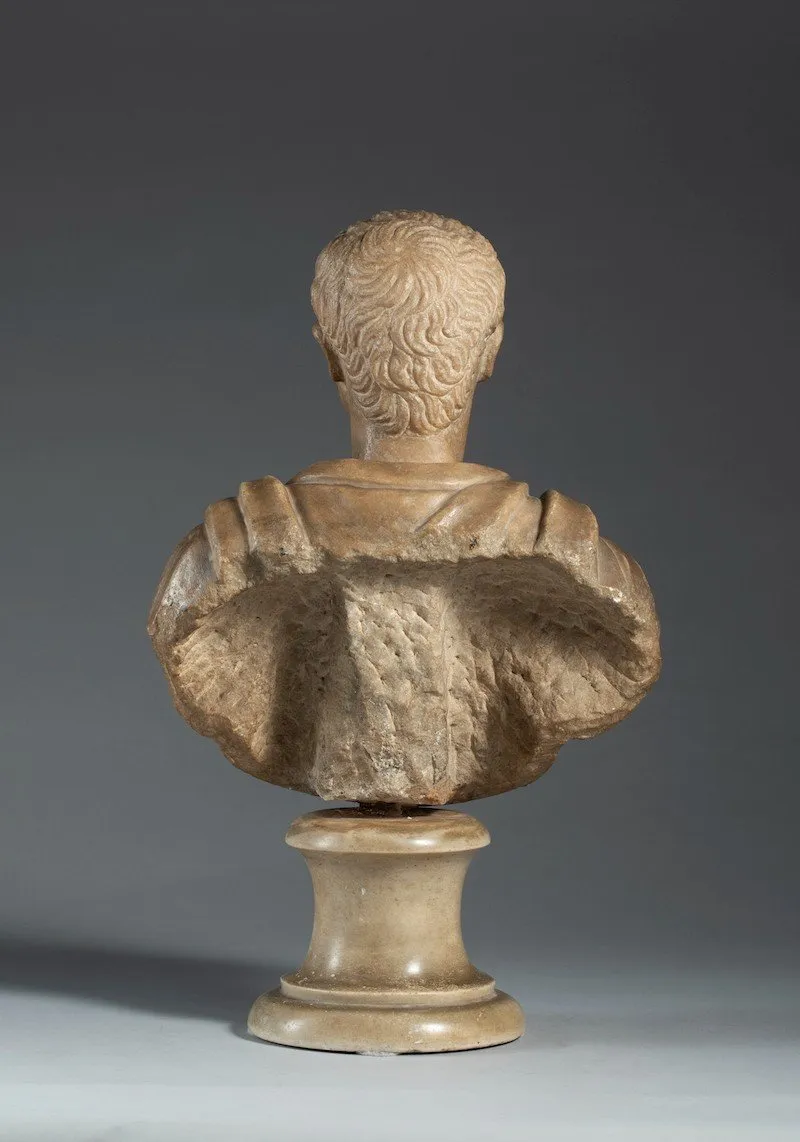 Photo: Tiberius, via www.proantic.com
Modern corporations face identical challenges when managing CEO transitions. The most successful approaches mirror Augustus's strategy: gradual visibility building for successors, clear communication about continuity of strategic direction, and stakeholder engagement processes that reinforce confidence in institutional stability rather than dependence on individual leadership.
The Enduring Framework
What Augustus created was not simply a political system, but a comprehensive stakeholder management framework that has been adapted and refined across twenty centuries of institutional development. The core elements—narrative control, regular engagement events, selective benefit distribution, consensus manufacturing, and succession planning—remain the foundation of modern corporate communications.
The psychology being managed has not changed: people need to feel that their interests are represented, their voices are heard, and their participation matters. Augustus understood that successful stakeholder management is not about providing everything stakeholders want, but about making them feel invested in the institution's success. Modern corporations that master this distinction achieve the same kind of durable stakeholder loyalty that sustained the Roman Empire for centuries.
The techniques have evolved with technology and scale, but the fundamental insight remains constant: institutions that successfully manage stakeholder psychology can maintain legitimacy and support even when their actual performance falls short of stakeholder expectations. Augustus proved that perception management, executed consistently over time, can be more powerful than performance improvement. Modern corporate communications departments exist to implement the same insight.