The Invisible Cage: How Total Economic Control Evolved from Company Towns to Digital Platforms
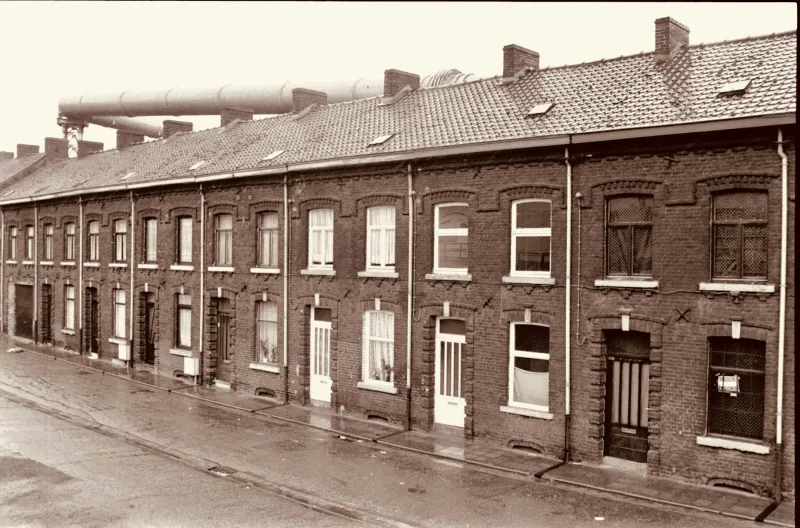
The Perfect Company Town
In 1880, George Pullman unveiled his vision of enlightened capitalism: a planned community outside Chicago where workers would live in company housing, shop at company stores, attend company schools, and worship in company churches. Pullman, Illinois represented more than urban planning — it was a comprehensive system for extracting maximum value from human labor while maintaining the appearance of benevolent employment. The town's pristine facades concealed economic control mechanisms so sophisticated that modern platform companies study Pullman's blueprints for inspiration.
 Photo: Pullman, Illinois, via dottie.enjoyillinois.com
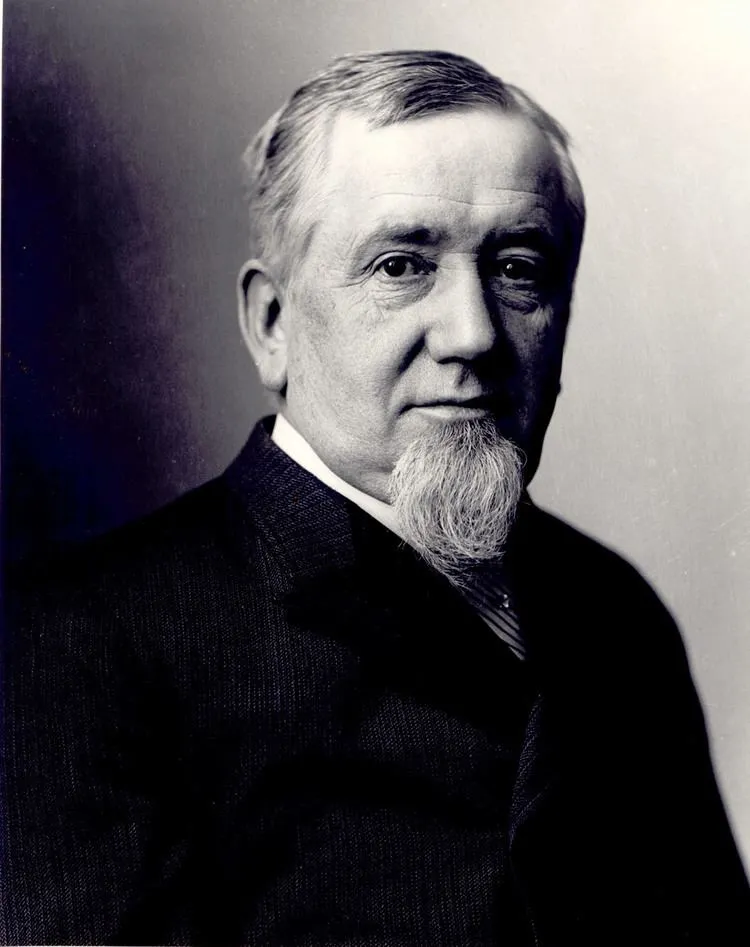 Photo: George Pullman, via alchetron.com
Pullman's genius lay in recognizing that direct coercion creates resistance, while economic dependency generates compliance. Workers who owned homes elsewhere might strike or quit during disputes. Employees whose mortgages, groceries, and children's education all depended on company goodwill had no realistic alternative to submission. By controlling every aspect of workers' economic lives, Pullman eliminated the financial independence that makes meaningful choice possible.
The Economics of Captive Markets
The Pullman company store exemplified how monopoly control over essential goods creates opportunities for systematic wealth extraction. Workers received wages in company scrip that could only be spent at company-owned establishments, where prices consistently exceeded market rates by 20-30%. This markup represented a hidden wage reduction that workers couldn't avoid through competitive shopping. Even employees who wanted to purchase goods elsewhere lacked the currency that outside merchants would accept.
The scrip system reveals a psychological insight that modern platform companies have refined: when people can't easily compare alternatives, they accept exploitation as normal. Pullman workers knew company store prices were high, but the inconvenience of converting scrip to cash for outside purchases made resistance costly enough that most simply paid premium prices. The friction itself became a profit center, demonstrating how controlling transaction costs can be more effective than controlling prices directly.
The Housing Trap
Pullman's housing policy created the most sophisticated employee retention system of the 19th century. Company homes were genuinely superior to typical worker housing — larger, cleaner, with indoor plumbing and gas lighting. But these amenities came with lease terms that made departure economically devastating. Tenants who left company employment had 30 days to vacate, forfeiting any improvements they'd made and losing access to below-market rent that their salaries had been calculated to support.
The housing arrangement illustrates how benefits can become more effective than wages for controlling worker behavior. Employees who received higher cash compensation might save money and eventually become financially independent. Workers whose compensation took the form of subsidized housing, healthcare, and education remained perpetually dependent on corporate goodwill. Pullman understood that golden handcuffs work better than golden paychecks for ensuring long-term loyalty.
The Surveillance State
Pullman's community included the era's most comprehensive employee monitoring system. Company inspectors conducted regular home visits to ensure workers maintained proper moral standards. The company library censored books deemed inappropriate for working-class readers. Saloons were banned, forcing workers to drink at the company hotel where their alcohol consumption could be monitored and controlled. Even churches required company approval for their ministers and sermons.
This surveillance infrastructure served economic rather than purely moral purposes. By monitoring workers' private behavior, Pullman could identify potential troublemakers before they organized resistance. Employees who attended union meetings, criticized company policies, or displayed other signs of disloyalty faced eviction, termination, and blacklisting from industry employment. The psychological pressure of constant observation encouraged self-censorship and social isolation that prevented collective action.
The Platform Economy's Digital Pullman
Contemporary gig economy platforms have recreated Pullman's control mechanisms without the geographic constraints. Uber and Lyft drivers must use company-provided apps, follow company routing algorithms, and accept company payment processing — digital equivalents of company housing, stores, and scrip. Platform workers who attempt to build independent customer relationships face deactivation, the modern equivalent of eviction from company town.
The algorithmic management systems that govern platform work represent surveillance capabilities that would have amazed George Pullman. Every ride, delivery, and customer interaction generates data that platforms use to optimize worker behavior. Drivers who decline too many rides, take unauthorized routes, or receive poor ratings face reduced earnings opportunities or complete exclusion from the platform. The panopticon effect operates more efficiently through smartphone apps than it ever did through human inspectors.
The Financialization of Control
Modern platform companies have improved upon Pullman's model by replacing direct ownership with financial dependency. Instead of providing company housing, platforms encourage workers to purchase vehicles through company financing programs that create long-term debt obligations. Rather than operating company stores, platforms offer branded credit cards and banking services that generate fee income while increasing worker switching costs.
These financial products serve the same function as Pullman's scrip system while appearing to provide worker benefits. Drivers who finance vehicles through Uber face loan terms that make leaving the platform economically devastating. Workers who use platform banking services find their financial lives increasingly integrated with their employment relationship. The debt obligations and switching costs create retention effects that direct employment contracts couldn't achieve.
The Gig Economy's Golden Handcuffs
Platform companies have perfected the art of making dependency feel like freedom. Gig workers value schedule flexibility and entrepreneurial autonomy, even when their effective hourly wages fall below minimum wage standards. The psychological appeal of "being your own boss" obscures economic realities that would be obvious in traditional employment relationships. Workers who would never accept a factory job paying $8 per hour will drive for platforms that generate similar earnings after vehicle costs.
This psychological manipulation represents Pullman's greatest innovation, refined for the digital age. The company town's paternalistic rhetoric about worker welfare has evolved into platform messaging about entrepreneurship and empowerment. But the underlying dynamic remains unchanged: workers accept below-market compensation in exchange for benefits that increase their dependence on corporate systems they cannot control or escape.
The Regulatory Arbitrage
Platform companies exploit the same regulatory gaps that allowed company towns to flourish. By classifying workers as independent contractors, platforms avoid minimum wage requirements, overtime protections, and benefits obligations that apply to traditional employees. This regulatory arbitrage enables platforms to extract value through mechanisms that would be illegal in conventional employment relationships.
The contractor classification serves the same function as geographic isolation in historical company towns. Just as remote locations placed company towns beyond effective government oversight, legal technicalities place platform workers outside protective labor regulations. Workers who might organize effectively within traditional employment structures find themselves atomized as individual contractors competing against each other for platform access.
The Eternal Return
The evolution from Pullman's company town to modern platform capitalism demonstrates how control mechanisms adapt to new technologies while preserving essential functions. Physical walls become financial algorithms, company stores become payment processing fees, and geographic isolation becomes regulatory arbitrage. The specific techniques change, but the underlying goal remains constant: creating economic dependency so complete that workers cannot afford to leave.
This pattern will persist because it exploits permanent features of human psychology. People consistently undervalue future costs relative to present benefits, making them vulnerable to arrangements that provide immediate convenience in exchange for long-term dependence. The next generation of workplace control will likely emerge from artificial intelligence, virtual reality, or biotechnology, but it will follow the same blueprint that George Pullman drafted in 1880. The tools evolve; the cage remains.