When Shareholders Discovered Sabotage: The Isaac Le Maire Playbook for Corporate Destruction

The Founder's Revenge
In 1602, Isaac Le Maire helped create the Dutch East India Company, one of history's most profitable enterprises. By 1609, he was systematically destroying it. His seven-year campaign of corporate sabotage introduced financial warfare tactics so effective that modern activist investors have barely improved upon them. The psychology driving Le Maire's assault — a founder's bitter conviction that his creation had betrayed him — remains the emotional engine behind every major corporate raid.
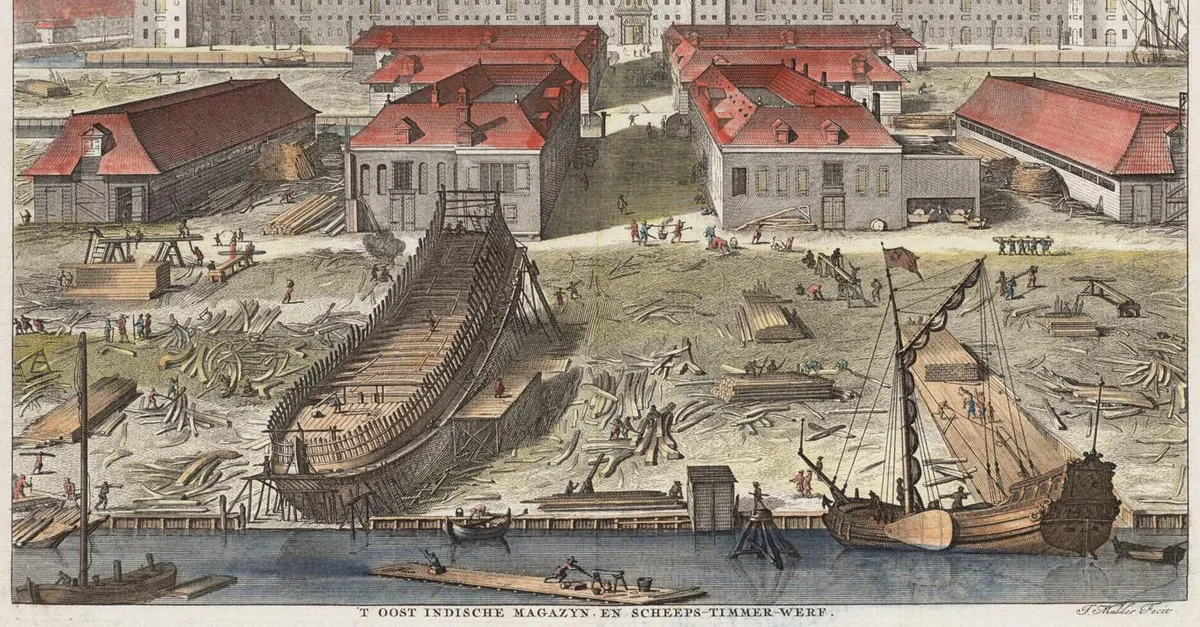 Photo: Dutch East India Company, via www.worldhistory.org
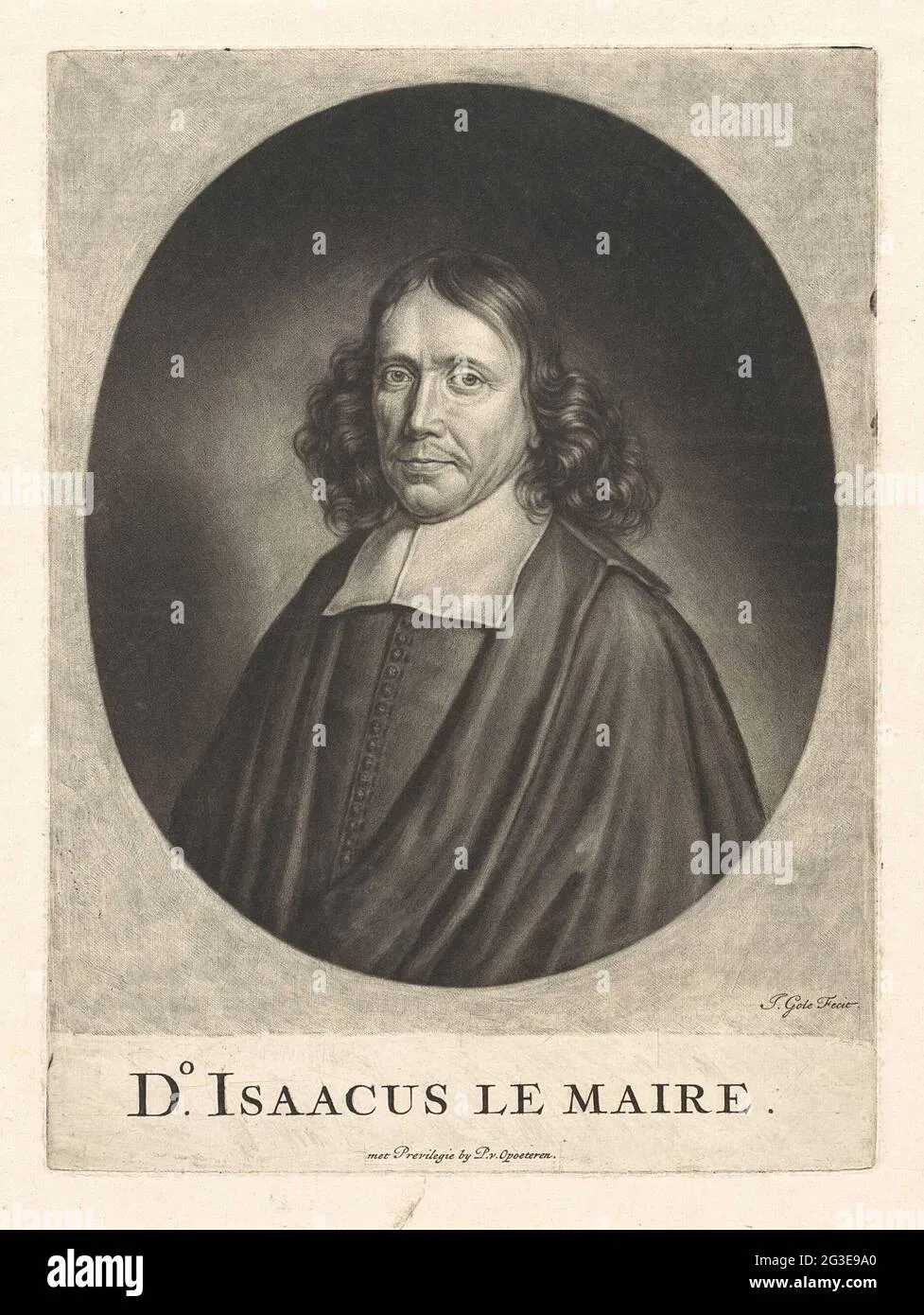 Photo: Isaac Le Maire, via c8.alamy.com
Le Maire's grievance was personal. As one of the VOC's founding shareholders, he expected influence proportional to his investment. Instead, the company's governing structure concentrated power among Amsterdam merchants who treated outside investors as silent partners. When Le Maire demanded greater representation, the board not only refused but began diluting his stake through new share issuances. The response revealed a pattern that repeats across centuries: insiders who feel cheated don't simply exit — they weaponize their knowledge.
The Short Seller's Gambit
Le Maire's first innovation was the coordinated short sale. Working through intermediaries, he borrowed VOC shares and sold them into the market while simultaneously spreading rumors about military defeats, accounting irregularities, and management incompetence. The tactic required precise timing — selling borrowed shares before negative news broke, then covering positions after prices collapsed. Modern hedge funds call this "fundamental analysis," but the mechanics remain unchanged from Le Maire's 1609 playbook.
The psychological insight driving short selling hasn't evolved either. Le Maire understood that markets punish uncertainty more harshly than confirmed bad news. By creating doubt about VOC's financial position without making specific allegations, he forced other shareholders to sell first and ask questions later. The company's stock price fell 30% in six months, validating a strategy that contemporary short sellers from Jim Chanos to David Einhorn would recognize instantly.
Corporate Espionage as Business Strategy
While manipulating VOC's stock price, Le Maire was simultaneously stealing its trade secrets. He recruited company employees to provide intelligence about shipping routes, cargo manifests, and strategic planning documents. This information served dual purposes: it enabled him to time his short sales more precisely, and it provided ammunition for his parallel campaign to convince the Dutch government to revoke VOC's monopoly charter.
Le Maire's espionage network reveals how insider knowledge creates compound advantages. Each piece of intelligence improved his market timing while strengthening his political arguments. When he presented evidence of VOC's inflated profit reports to government officials, he wasn't just advocating for free trade — he was demonstrating superior information gathering capabilities. The message was clear: if a single aggrieved shareholder could penetrate VOC's security so thoroughly, perhaps the company wasn't as formidable as its monopoly suggested.
The Leveraged Buyout Before Leverage
Le Maire's most sophisticated move involved creating a competing trading company while simultaneously attacking VOC through financial markets and regulatory channels. His Austral Company aimed to break VOC's monopoly by establishing alternative trade routes to the East Indies. Though it lacked VOC's capital resources, the new venture possessed something more valuable: detailed knowledge of VOC's operational weaknesses.
This multi-front assault prefigured the leveraged buyout model that wouldn't reach full development until the 1980s. Like Michael Milken's raiders, Le Maire combined financial engineering with strategic intelligence to target a company whose market dominance masked structural vulnerabilities. The Austral Company never succeeded in its stated mission, but its existence forced VOC to divert resources toward competitive responses, further weakening the stock price that Le Maire was betting against.
The Regulatory Capture Strategy
Perhaps Le Maire's most enduring innovation was his systematic campaign to turn government regulators against the company he was attacking. He spent years cultivating relationships with Dutch officials, providing them with evidence of VOC's accounting irregularities and market manipulation. His argument was elegantly simple: monopolies inevitably become corrupt, and only competitive markets could serve the public interest.
The regulatory strategy worked because it aligned Le Maire's private grievances with legitimate public concerns. VOC's monopoly did restrict trade and inflate prices for consumers. By positioning himself as a defender of free markets rather than a disgruntled insider, Le Maire transformed personal revenge into political cause. Modern activist investors from Carl Icahn to Paul Singer employ identical rhetoric, framing their attacks on corporate management as campaigns for shareholder democracy and market efficiency.
The Permanent Psychology of Corporate Warfare
Le Maire's campaign ultimately failed — VOC's monopoly survived, his short positions were eventually covered at losses, and the Austral Company collapsed. But his tactical innovations persisted because they exploited permanent features of human psychology. Corporate insiders who feel betrayed possess both the knowledge and motivation to inflict maximum damage. Market participants consistently overreact to uncertainty. Regulators remain susceptible to arguments that private interests align with public good.
Four centuries later, these psychological constants continue driving corporate warfare. Activist investors still combine short selling with regulatory pressure and media campaigns. Private equity firms still use superior information to identify vulnerable targets. The specific technologies evolve — high-frequency trading replaces handwritten rumors, SEC filings substitute for stolen documents — but the underlying dynamics remain unchanged.
The Le Maire Doctrine
Isaac Le Maire's assault on the Dutch East India Company established principles that govern corporate conflict today. First, insider knowledge provides decisive advantages in financial warfare. Second, coordinated attacks across multiple fronts — markets, regulators, public opinion — prove more effective than single-channel strategies. Third, personal grievances, when properly framed, can mobilize broader constituencies for change.
These insights explain why corporate boards fear activist investors more than traditional competitors. External rivals must outperform existing management; activists need only convince other shareholders that change would create value. The psychological threshold for destruction remains lower than the threshold for creation, a asymmetry that Isaac Le Maire discovered in 1609 and that modern markets continue to validate every day.